
Composite or PVC Decking: How the Two Boards Differ
What each kind of board is made of, how their prices compare, what the makers' care guides say about snow and ice melt, and what the wildfire code asks of the boards on some decks.
Quick Answer
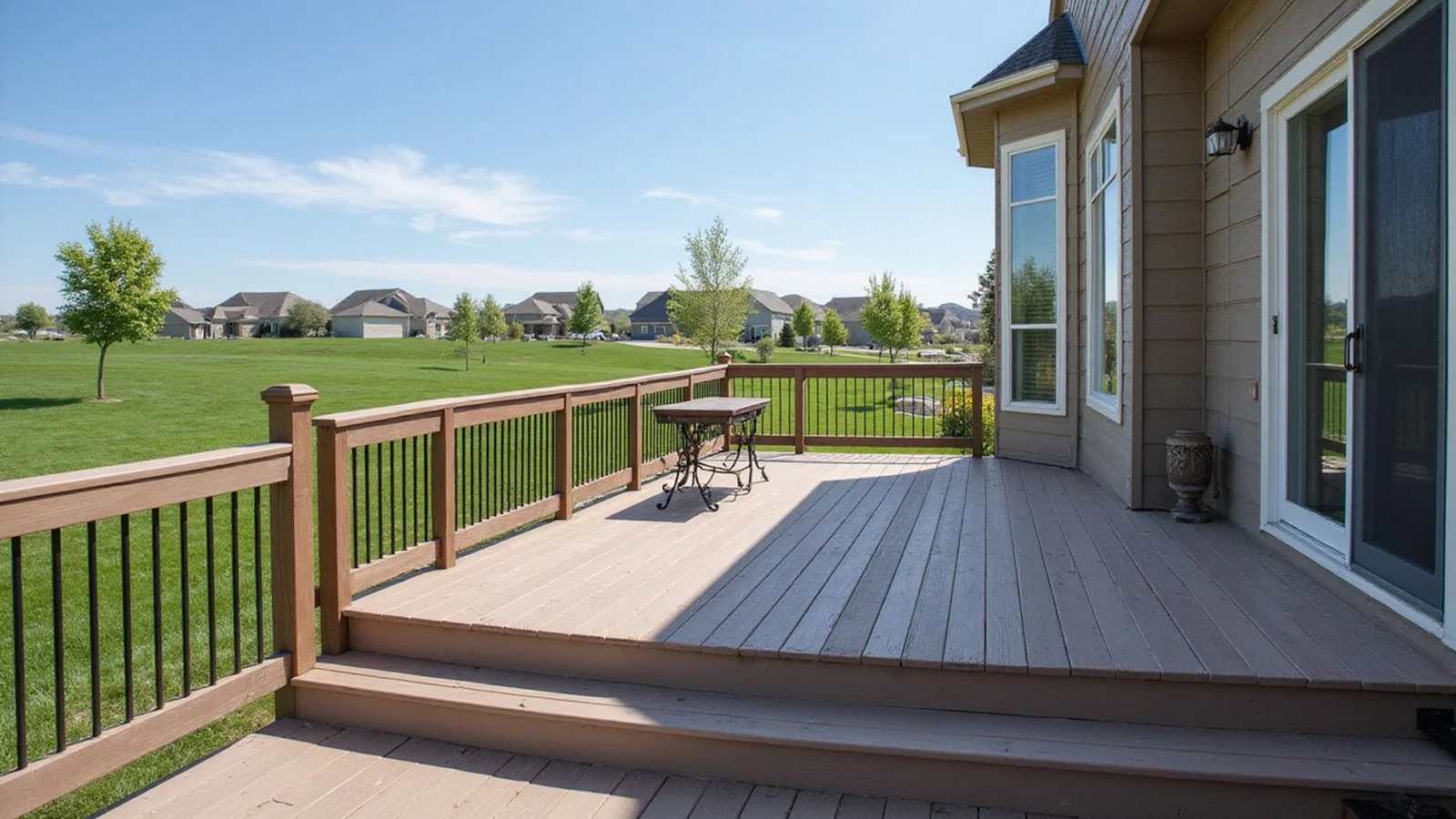
Capped composite decking and capped PVC decking are both manufactured deck boards with a protective cap on the outside, and the difference is what's underneath it. A composite board has a core of wood fibers and plastic, while a PVC board's core is PVC, a plastic with no wood in it. Which one suits your deck comes down to the particular line you pick, what it costs and, on some decks around Fort Collins, its fire rating.
What's Under the Cap
Whether you're weighing Trex vs TimberTech or composite vs PVC decking in general, the boards you'll come across are one of these two kinds.
The two kinds of manufactured deck board
- Capped composite: wood fibers and plastic blended into one core, with a polymer cap over it
- Capped PVC: a core of PVC, with no wood in it, under a polymer cap
In either kind, the cap is the surface you see and walk on. Some lines are capped all the way around the board, and others leave part of it uncovered.
How Composite and PVC Decking Compare on Price
A deck in composite costs more than the same deck built in pressure-treated wood. Beyond that, neither kind has one price, because each maker sells its boards in several lines at different price levels, from an entry-level line up to its top line.
TimberTech's PVC and its composite. By the maker's own price marks, its PVC decking sits a step above its composite decking, at the low end of its range and at the high end. For your deck, the price follows the line you choose, along with the railing and the size of the deck.
Snow, Ice Melt and the Care Guides
Both makers publish care guides for their boards, and with the snow a Fort Collins winter brings, the parts about snow and ice are the ones that matter here. The two agree on the shovel: no metal one on the boards, and TimberTech's guide rules out a plastic shovel with a metal edge as well.
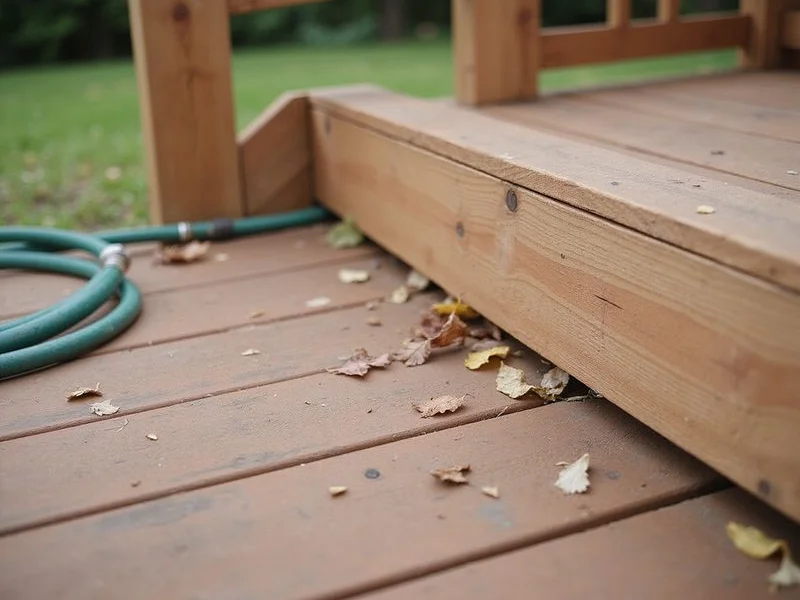
They don't agree on ice melt. Trex's guide says calcium chloride or rock salt will melt ice on its boards, and to rinse it off when you get the chance. TimberTech's says most calcium chloride products can be used and to avoid rock salt. The two set different limits on pressure washers too, so it's worth going by the care guide for the boards on your own deck.
Fire-Rated Boards in Either Kind
On a deck around Fort Collins that the state's wildfire code covers, the boards you walk on have to be fire-rated. Both makers sell some boards they describe as fire-rated, and whether a board meets the wildfire code depends on its rating. Before the boards are priced, we see whether the code applies to your house.
More on this: Composite decking in Fort Collins
Questions on Composite vs PVC Decking
Which is better, Trex or TimberTech?
That depends on the two boards you're comparing. Both makers sell capped composite decking, and both list PVC decking on their own sites, so a board from each can differ in kind as well as in brand. That's the first thing to look at.
Does TimberTech get as hot as Trex?
Both makers say much the same about heat: any deck board gets hot in direct sun on a hot day, darker colors get hotter, and for a hot climate a lighter color is the one they suggest. TimberTech also mentions shade overhead, with a pergola among the options. On a Fort Collins deck that sits in the afternoon sun, the color you pick and any shade you put over it are worth settling before the boards go down.
Which Boards Are on Your List?
Whatever you've narrowed it down to, whether that's a line, a color, or just composite or PVC, put it in the form. We'll come out to the spot you have in mind for the deck and go over those boards with you before the estimate is written.